

When life gets busy, eating healthy feels impossible. Between deadlines, meetings, classes, and nonstop notifications, most people grab whatever is quick — usually packaged, oily, sugary, or straight-up junk.
But the truth? A healthy diet doesn’t require extra time or expensive meal plans.
All you need are smart habits, simple swaps, and a routine you can follow even on your busiest days.
This guide breaks down a realistic, affordable, and beginner-friendly healthy diet routine designed for people with tight schedules.
1. Start Your Day Right: Quick & Healthy Breakfast Options
Skipping breakfast leads to low energy, overeating later, and poor focus.
You don’t need a full meal just something nutritious and fast.
Best easy breakfast options (3–5 minutes each):
-
Oatmeal with fruits
-
Greek yogurt + nuts
-
Boiled eggs + banana
-
Peanut butter toast
-
Smoothies with banana, oats, milk
-
Upma / poha / chia pudding
Choose meals with protein + fiber — they keep you full longer.
2. Follow the 3-Hour Meal Timing Rule
Eating at consistent intervals stabilizes:
-
energy levels
-
metabolism
-
hunger
-
mood
Basic timing example:
-
8:00 AM → Breakfast
-
11:00 AM → Light snack
-
2:00 PM → Lunch
-
5:00 PM → Evening snack
-
7:30 PM → Dinner
Your body loves routine.
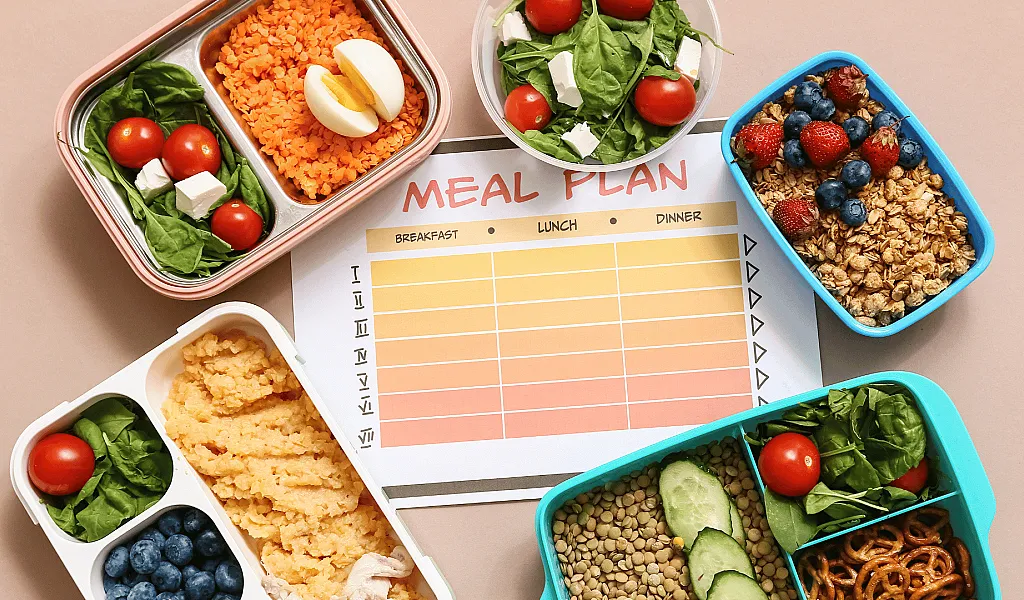
3. Build a Smart Meal Prep System (Weekend or Night Before)
Meal prep saves you time, money, and decision fatigue.
What to prep weekly:
-
Washed/chopped veggies
-
Marinated chicken/tofu
-
Boiled eggs
-
Cooked rice or quinoa
-
Salad jars
-
Overnight oats
-
Soups or stir-fry mix
Benefits:
-
No stress in the morning
-
Reduces junk food temptation
-
Saves money
-
Helps maintain portion control
4. Healthy Snacks for Busy Days
Snacks are where most people mess up — chips, biscuits, sugary drinks.
Replace them with nutrient-dense options.
Smart snack ideas:
-
Nuts & seeds
-
Fruit
-
Yogurt
-
Roasted chana
-
Homemade trail mix
-
Dark chocolate (70%+)
-
Protein bars (low sugar)
Keep them in your office bag, desk, or car.
5. Hydration Routine (Often Ignored but Most Important)
Dehydration leads to:
-
cravings
-
fatigue
-
headaches
-
dull skin
Follow this simple rule:
Water → before every meal + during work hours.
Aim for 2–2.5 liters per day.
Add lemon, mint, or cucumber for flavor if needed.
6. The Perfect Busy-Person Lunch Plate
Your lunch should be:
-
Balanced
-
Filling
-
Quick to make
Ideal healthy plate:
-
1/2 vegetables
-
1/4 protein (chicken, paneer, beans, lentils)
-
1/4 whole grains (brown rice, roti, oats, quinoa)
Keep oil low and colors high.
7. Dinner Should Be Light and Early
Eating late causes bloating, poor sleep, and weight gain.
Best time: 7:00–8:00 PM
Light dinner ideas:
-
Soups
-
Grilled veggies
-
Khichdi
-
Stir fry
-
Paneer/chicken salad
-
Lentil soup + roti
Your body digests lighter meals faster at night.
8. Smart Food Swaps for Busy People
You don’t need a strict diet just switch intelligently.
Simple healthy swaps:
-
White rice → brown rice
-
Fried snacks → roasted snacks
-
Sugary drinks → lemon water
-
Bakery items → fruits
-
Creamy dressings → olive oil + lemon
-
Biscuits → nuts
These micro-changes create long-term results.
9. Use the 80/20 Eating Rule
Eat healthy 80% of the time.
Enjoy flexible foods 20% of the time.
This keeps you consistent without stress.
10. Avoid These Common Busy-People Diet Mistakes
Most people unknowingly fall into these traps:
- Skipping meals
- Drinking too much caffeine
- Eating while stressed
- Overeating at night
- Choosing convenience over nutrition
- Emotional snacking
Awareness = half the solution.
11. Make Sleep Part of Your Diet Routine
Yes, sleep affects digestion, hunger hormones, cravings, and metabolism.
Sleep habits for better diet control:
-
Sleep 7–8 hours
-
Avoid screens before bed
-
Eat 2–3 hours before sleeping
-
Stay hydrated during the day, not at night
Good sleep = better food decisions.
12. Simple One-Day Sample Healthy Diet Plan for Busy People
7:30 AM — Warm water + fruits
8:00 AM — Oats or eggs
11:00 AM — Handful of nuts
2:00 PM — Brown rice + vegetables + protein
5:00 PM — Black coffee or tea + roasted chana
7:30 PM — Soup or salad or khichdi
9:30 PM — Herbal tea
This is easy, realistic, and sustainable.
Conclusion: Eating Healthy Is Easy When You Build Routines
Busy life doesn’t mean unhealthy life. With simple habits meal prep, balanced plates, hydration, smart snacks you can stay fit, energetic, and mentally sharp without extra effort.