
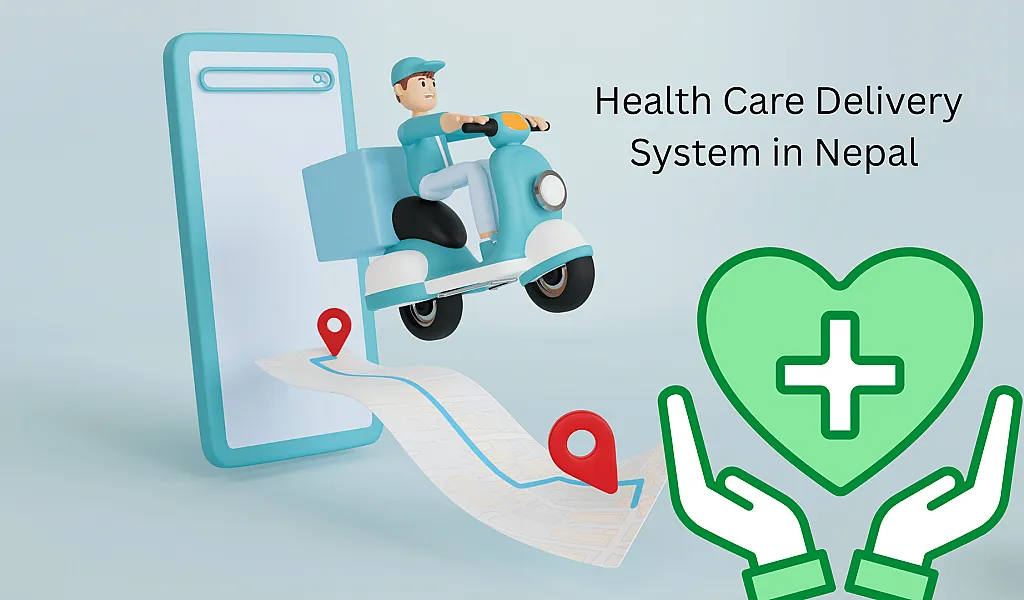
The health care delivery system in Nepal plays a critical role in ensuring the well-being of a diverse population spread across urban centers, rural hills, and remote Himalayan regions. While Nepal has made significant progress in expanding access to healthcare, challenges around infrastructure, workforce, affordability, and distribution still remain.
Understanding how healthcare is delivered in Nepal helps individuals, families, policymakers, and healthcare businesses make informed decisions. This article explains how the system works, its strengths and gaps, and how modern solutions including digital platforms like Fitlife Traders support healthcare access.
What Is a Health Care Delivery System?
A health care delivery system refers to the organized way health services are provided to people, including:
-
Prevention
-
Diagnosis
-
Treatment
-
Rehabilitation
-
Health promotion
It includes institutions, professionals, policies, financing mechanisms, and supply chains working together to deliver care efficiently and safely.
In Nepal, the healthcare delivery system is a mixed model combining public, private, community-based, and traditional health services.
Overview of the Health Care Delivery System in Nepal
Nepal’s healthcare system is structured in tiers, designed to reach people at different levels of need.
1. Primary Health Care (PHC)
This is the foundation of Nepal’s health system.
Primary-level services include:
-
Health posts
-
Primary health care centers
-
Community health units
-
Outreach clinics
They focus on:
-
Basic treatment
-
Maternal and child health
-
Immunization
-
Family planning
-
Health education
Primary care aims to serve people close to their homes, especially in rural areas.
2. Secondary Health Care
Secondary care facilities provide more specialized services than primary care.
These include:
-
District hospitals
-
Provincial hospitals
-
Specialized clinics
Services include:
-
Inpatient care
-
Minor surgeries
-
Diagnostic services
-
Emergency care
Patients are often referred here from primary health facilities.
3. Tertiary Health Care
This is the highest level of healthcare delivery in Nepal.
Facilities include:
-
Central hospitals
-
Teaching hospitals
-
Specialized medical centers
They provide:
-
Advanced diagnostics
-
Major surgeries
-
Specialized treatments
-
Research and training
Tertiary care is mostly concentrated in urban areas.
Public and Private Healthcare in Nepal
Nepal’s healthcare delivery system operates through both public and private sectors.
Public Health Care System
Managed by the government, public healthcare focuses on:
-
Universal access
-
Preventive care
-
Essential health services
Strengths:
-
Low or no cost
-
Wide rural reach
Challenges:
-
Limited resources
-
Staff shortages
-
Infrastructure gaps
Private Health Care System
Private healthcare has expanded rapidly in Nepal.
Includes:
-
Private hospitals
-
Clinics
-
Diagnostic centers
-
Pharmacies and medical suppliers
Strengths:
-
Faster service
-
Better infrastructure
-
Wider product availability
Challenges:
-
Higher cost
-
Unequal access
Both systems complement each other.
Role of Supply Chain & Medical Access
Healthcare delivery is not only about doctors and hospitals medical supplies, equipment, and healthcare products are equally important.
Gaps in access to:
-
Medical devices
-
Essential health products
-
Personal care and hygiene items
can directly affect treatment outcomes.
This is where online healthcare platforms play a supporting role.
How Digital Platforms Support Health Care Delivery
Digital solutions are becoming increasingly important in Nepal’s healthcare ecosystem.
They help by:
-
Improving access to health products
-
Reducing travel and wait times
-
Ensuring product authenticity
-
Supporting preventive healthcare
Platforms like Fitlife Traders Nepal contribute by providing reliable access to medical supplies, healthcare essentials, and wellness products, especially for people who cannot easily reach physical stores.
Digital healthcare does not replace hospitals it strengthens the system.
Challenges in Nepal’s Health Care Delivery System
Despite progress, Nepal still faces several challenges:
-
Geographic barriers
-
Shortage of skilled health professionals
-
Uneven distribution of facilities
-
Limited health financing
-
Supply chain disruptions in remote areas
Addressing these challenges requires coordinated efforts across government, private sector, and community organizations.
Alternative Health Services Available in Nepal
Nepal has a rich tradition of alternative and complementary health services.
Common Alternative Health Services
-
Ayurvedic medicine
-
Herbal and natural therapies
-
Traditional healing practices
-
Yoga and wellness therapy
These services are widely used alongside modern medicine, especially for chronic conditions and preventive care.
Government-supported Ayurveda hospitals and private wellness centers coexist within the broader healthcare delivery system.
Importance of Preventive Healthcare in Nepal
Preventive healthcare is gaining attention due to rising non-communicable diseases.
Preventive measures include:
-
Vaccination programs
-
Nutritional supplementation
-
Health education
-
Regular health monitoring
Access to basic healthcare products and information plays a key role in prevention.
Future of the Health Care Delivery System in Nepal
Looking ahead, Nepal’s healthcare system is expected to focus on:
-
Strengthening primary healthcare
-
Expanding digital health services
-
Improving healthcare supply chains
-
Integrating public and private efforts
-
Promoting preventive and community-based care
Technology, policy reform, and responsible private participation will shape the future.
Final Thoughts
The health care delivery system in Nepal is evolving balancing traditional practices, public health services, private healthcare, and modern digital solutions. While challenges remain, coordinated efforts across sectors continue to improve access and quality of care.
By supporting reliable access to healthcare products and essentials, platforms like Fitlife Traders play a supporting role in strengthening Nepal’s healthcare ecosystem.
FAQs
What is the systems approach to health care delivery?
The systems approach views healthcare as a coordinated network of services, professionals, infrastructure, financing, and supply chains working together to deliver effective care rather than isolated services.
How is the healthcare system in Nepal?
Nepal has a mixed healthcare system combining public, private, and community-based services. While access has improved, challenges remain in infrastructure, workforce distribution, and affordability.
What is the delivery of health care?
Healthcare delivery refers to the way health services are organized and provided to individuals, including prevention, diagnosis, treatment, and rehabilitation.
What are the alternative health services available in Nepal?
Alternative health services in Nepal include Ayurveda, herbal medicine, traditional healing, yoga, and wellness therapies, often used alongside modern medical treatment.
How do online platforms support healthcare delivery in Nepal?
Online platforms help improve access to medical supplies, health products, and wellness essentials, supporting preventive care and reducing barriers to access.